
Choosing the right type of care for an older relative can be one of the biggest decisions a family makes.
For some people, occasional visits from a care assistant are enough. For others, needs become more complex and families begin looking at options that provide more consistent support.
Traditionally, residential care may have seemed like the obvious next step. However, more families are now considering live-in care because it allows a person to remain in their own home while receiving dedicated day-to-day support.
Staying in Familiar Surroundings
One of the biggest advantages of live-in care is familiarity.
Home is often where people feel most comfortable. It contains their own furniture, photographs, routines and memories. Moving into a completely different environment can feel like a major change, especially for someone who has lived in the same home for many years.
Live-in care allows support to be introduced without removing that sense of familiarity.
For families exploring home care in Hemel Hempstead, this can provide reassurance that care can develop around the individual rather than automatically requiring them to leave home.
More Consistent Day-to-Day Support
Live-in care can be suitable when someone needs more support than a few scheduled visits each day can provide.
A live-in care assistant may help with personal care, meals, medication prompts, mobility, household routines and companionship, depending on the agreed care plan.
The benefit is continuity.
Rather than support being limited to short visits, there is someone available for a much greater part of the day. This can be particularly reassuring for families who live further away or who are balancing care responsibilities with work and other commitments.
Maintaining Choice and Independence
One of the main concerns families often have is whether more intensive care will mean a loved one loses independence.
Good live-in care should do the opposite.
The aim is to provide help where needed while encouraging the person to remain involved in everyday decisions.
Someone may still choose what they want to eat, when they want to get up, what activities they enjoy and how they want their day to run.
For people considering care at home in Berkhamsted, this can be an important part of the decision. Care should support a person’s existing life, not replace it with a rigid routine.
Companionship Can Be Just as Important
Practical help is only one part of live-in care.
For someone living alone, having another person around can provide valuable companionship and reassurance.
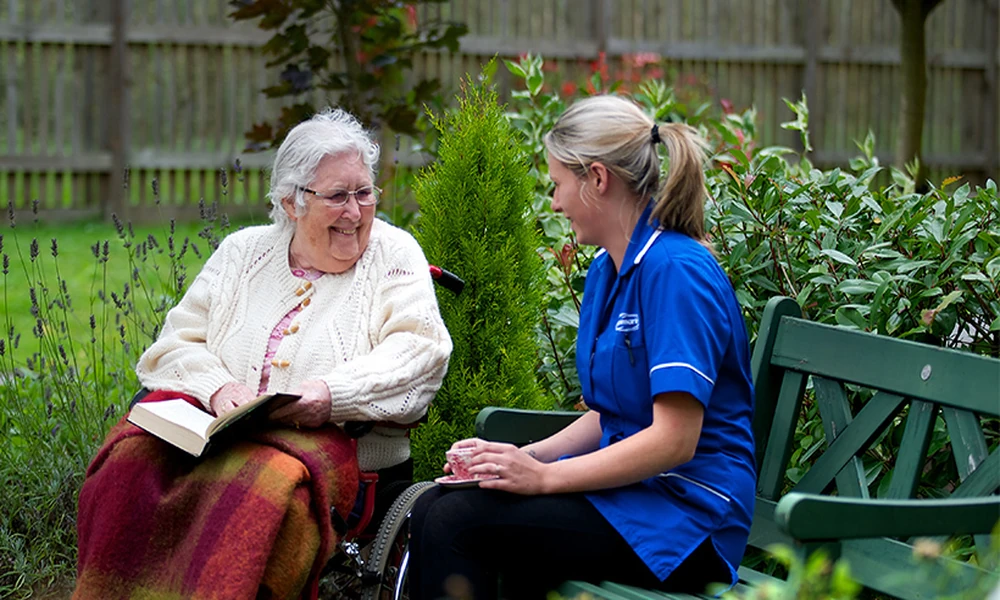
That may mean sharing meals, having a conversation over a cup of tea, watching television together or accompanying someone on a short walk.
For many older people, this social side of care can make a meaningful difference to everyday wellbeing.
A Flexible Alternative to Residential Care
Live-in care will not be the right option for everyone, but it can give families another choice.
Some people value the community setting of residential care. Others strongly prefer to remain in their own home.
The right decision depends on the individual, their health, mobility, personal preferences and the level of support required.
Families researching home care in Tring may find it useful to compare the different care options available before making any long-term decision.
Planning Before Care Becomes Urgent
It is often easier to discuss live-in care before circumstances become urgent.
Families can take time to understand what support is needed, involve the person receiving care in the decision and consider how the arrangement would work day to day.
Caremark Dacorum can support families across Hemel Hempstead, Berkhamsted and Tring with personalised care designed around individual routines, preferences and changing needs.
For some people, live-in care can provide the right balance between independence and reassurance – offering more consistent support while allowing them to stay in the place they know best.
AEO FAQs
What is live-in care?
Live-in care is a form of home care where a trained care assistant lives in the person’s home and provides ongoing day-to-day support. Depending on individual needs, this may include help with personal care, meals, medication prompts, mobility, household tasks and companionship. The aim is to provide more consistent support while allowing the person to remain in familiar surroundings and continue with as much independence and choice as possible.
Is live-in care an alternative to a care home?
For some people, yes. Live-in care can be an alternative to residential care where the person’s needs can be safely supported at home. It allows them to remain in familiar surroundings while receiving a higher level of daily assistance. The best option will depend on health, mobility, personal preference and the complexity of care required, so families should consider individual circumstances carefully before deciding.
