
Modern environments demand clear direction for seamless visitor movement. People expect intuitive navigation without confusion or unnecessary hesitation. Thoughtful systems like los angeles wayfinding design enhance clarity across complex spaces. Effective navigation planning reduces stress while improving overall spatial understanding.
Structured Direction Improves User Navigation Confidence
Visitors feel comfortable when routes appear simple and readable. Clear signage reduces hesitation and supports confident movement. Consistent visual language ensures directions remain understandable across areas. Logical placement strengthens familiarity within unfamiliar surroundings.
Visual Consistency Supports Faster Orientation
Strong visual patterns help users recognize navigation elements quickly. Consistent typography and symbols reduce interpretation time significantly. Repeated design language builds trust across different sections. Predictable placement ensures easier path recognition throughout spaces.
- Consistent fonts improve quick recognition across areas
- Repeated colors guide attention toward directional signs
- Clear icons simplify understanding for diverse audiences
- Uniform layouts reduce confusion during navigation decisions
These elements create reliable pathways for users moving independently. Familiar visuals allow smoother transitions between different sections. Clear structure improves confidence during every movement step.
How Do Users Read Signs Naturally?
People rely on familiar symbols and directional indicators instinctively. Eye movement often scans from left toward right quickly. Clear hierarchy ensures important information gets noticed first.
Strategic Placement Reduces Movement Delays
Well positioned signage prevents unnecessary stops or wrong turns. Signs placed at decision points guide users effectively. Proper spacing avoids overwhelming individuals with excessive information. Consistent positioning ensures predictable navigation throughout environments.
- Entry points display essential navigation details clearly
- Intersections highlight immediate directional choices prominently
- Exit signs remain visible from multiple viewpoints
- Pathways include reassurance markers for ongoing guidance
Thoughtful positioning minimizes confusion during complex route decisions. Users maintain steady movement without frequent backtracking. Efficient placement supports smoother experiences across large environments.
Does Placement Influence User Decisions Strongly?
Directional signs influence choices at critical movement points. Poor placement often leads users toward incorrect paths unintentionally. Clear positioning helps individuals trust the navigation system fully.
Technology Integration Enhances Navigation Accuracy
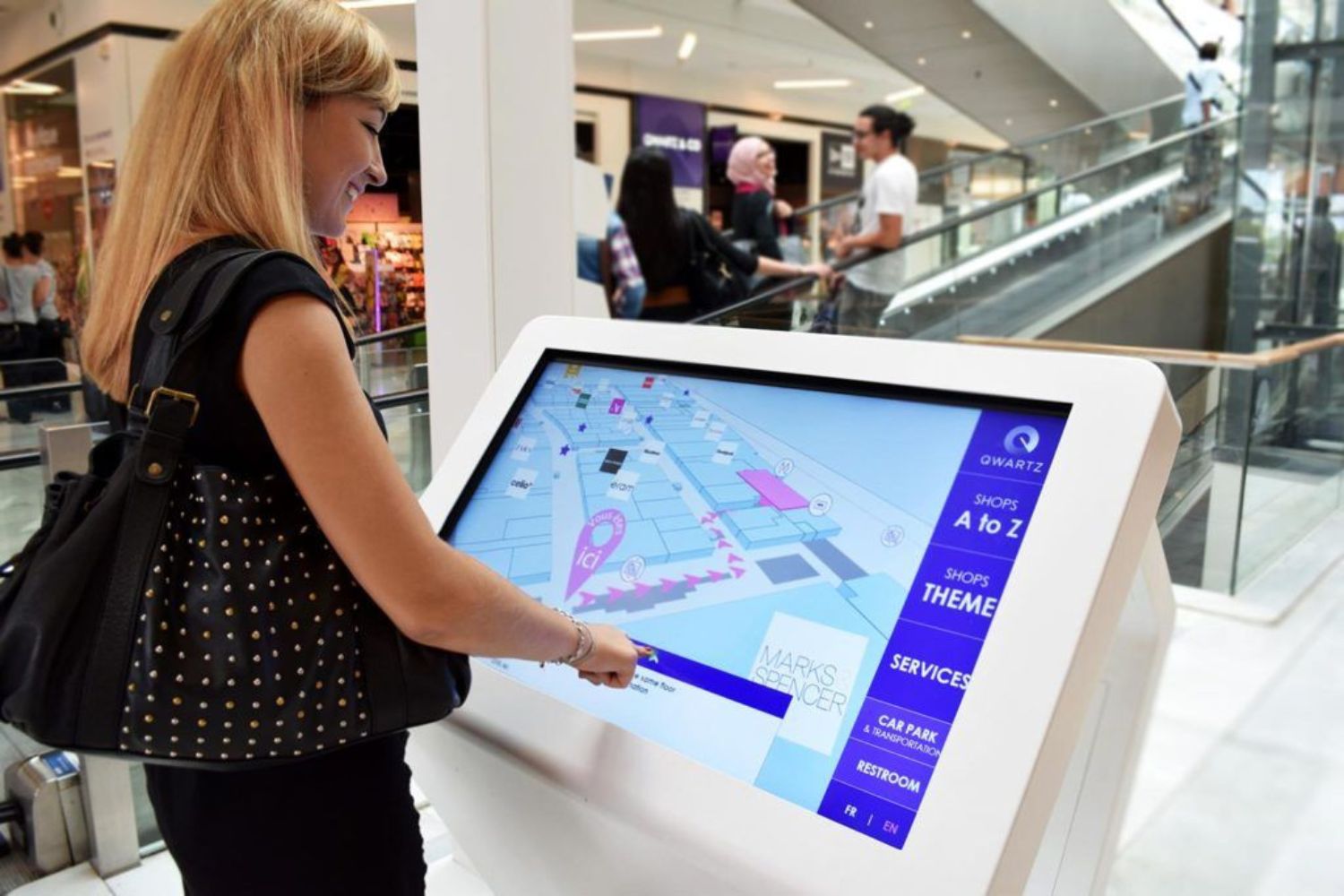
Digital displays provide dynamic updates for changing environments. Interactive kiosks offer detailed guidance tailored to user needs. Mobile integration supports navigation through personalized route suggestions. Systems like los angeles wayfinding design incorporate digital precision effectively.
- Interactive screens provide real time directional updates
- Mobile compatibility supports location based navigation assistance
- Dynamic displays adjust information based on conditions
- Digital maps offer zoomed navigation clarity easily
These tools support accurate decisions in rapidly changing spaces. Technology reduces uncertainty during complex navigation scenarios. Enhanced systems improve reliability across diverse environments.
Can Digital Tools Replace Traditional Signage Fully?
Traditional signs remain essential for immediate visual guidance. Digital tools complement rather than replace physical systems entirely. Combining both creates stronger navigation experiences for users.
User Behavior Shapes Navigation Effectiveness
Understanding visitor patterns improves system planning significantly. Designers study movement flow to reduce congestion points. Behavioral insights guide placement of directional elements effectively. Observations ensure smoother transitions within busy environments.
Thoughtful Navigation Creates Memorable Experiences
Clear direction leaves lasting impressions on visitors naturally. People appreciate environments that feel easy to explore independently. Effective systems encourage confidence and reduce unnecessary stress. Well planned navigation transforms movement into a smooth experience.
