
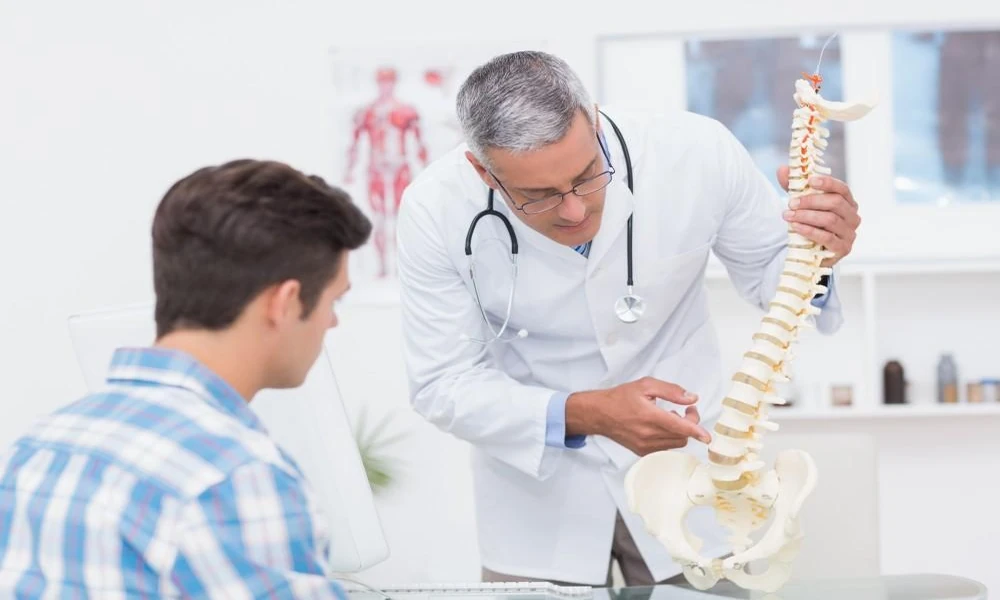
Surgery gets presented as the endpoint a lot of back pain conversations eventually reach. It doesn’t have to be the first stop, and for plenty of patients, it never needs to be the destination at all. The spinal decompression oklahoma patients look into is usually explored specifically as an alternative to surgery, not as a placeholder while waiting for a surgical date to open up.
Why surgery carries real weight as a decision
Any spinal surgery comes with real risks. Anesthesia, infection, a recovery period that can run months, and no absolute guarantee the pain actually resolves afterward.
None of that makes surgery a bad option across the board, but it does mean exhausting reasonable non-surgical routes first is a genuinely rational approach, not just delay for its own sake.
What decompression actually offers as an alternative?
- No incision, no anesthesia, no surgical recovery time
- Sessions that fit around a normal work schedule
- A treatment that can be stopped or adjusted easily
- Real focus on the disc pressure causing symptoms
Non-surgical doesn’t automatically mean less effective
There’s an assumption that non-surgical treatment is a lesser option, tried only because surgery feels too extreme. For plenty of disc conditions, that assumption doesn’t hold up. Addressing pressure inside a disc directly, without cutting anything, can meaningfully change symptoms for patients who are actually good candidates for it in the first place.
Trying decompression first doesn’t close the surgical door
Choosing to try a non-surgical route first isn’t an irreversible decision. If decompression doesn’t produce meaningful improvement after a genuine course of treatment, surgery remains just as available afterward as it was before.
Nothing about trying the conservative option first burns a bridge to the more invasive one, which is part of why spinal decompression oklahomaproviders often recommend it as a reasonable starting point for most candidates.
Insurance and cost factor into this decision too
Surgery, hospital stays, and post-surgical rehabilitation carry a very different cost profile than a course of decompression sessions at an outpatient clinic. That financial reality matters for real patients making real decisions, even when it’s not the only factor on the table.
A provider willing to talk honestly about cost, alongside the actual clinical picture, tends to earn more trust than one that avoids the topic entirely.
A second opinion is worth getting either way
Whether the direction leans toward decompression or toward surgery, a second opinion rarely hurts and often clarifies the decision considerably.
A provider recommending decompression should be able to explain clearly why a patient is a good candidate. A surgeon recommending an operation should be equally clear about why conservative options were already considered and ruled out first, not skipped over.
This is a decision worth taking slowly
Nobody has to decide between decompression and surgery in a single appointment. A genuine trial period on the conservative side, tracked honestly, gives a patient real information to bring into any later conversation about surgery, rather than a decision made mostly out of fear or urgency.
Choosing between decompression and surgery isn’t really an either-or decision made once and forever. It’s a sequence, try the option with less risk and less recovery time first, and keep surgery in reserve as a genuine option if it’s actually needed later.
