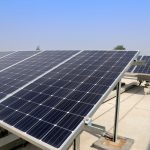

Maximising Your Solar PV System
As energy prices continue to fluctuate and sustainability becomes a priority for households and businesses alike, solar power is no longer just an eco-friendly choice—it is a smart long-term investment. Maximising Your Solar PV System means ensuring that every component of your installation works together to deliver the highest possible efficiency, reliability, and financial return over its entire lifespan.
This in-depth guide explores how solar PV systems work, what affects their performance, and how you can optimise output both at the time of installation and throughout daily operation.
Understanding how a solar PV system generates power
A solar photovoltaic system converts sunlight into usable electricity through several key components:
• Solar panels capture sunlight and convert it into direct current (DC) electricity
• Inverters transform DC electricity into alternating current (AC) for household use
• Mounting systems position panels at optimal angles
• Monitoring tools track production and identify performance issues
• Optional battery storage stores excess energy for later use
The efficiency of the entire system depends on how well these elements are selected, installed, and maintained.
Why maximising efficiency matters
Optimising performance is not just about producing more electricity—it directly impacts cost savings, environmental benefits, and system longevity.
• Higher efficiency reduces reliance on grid electricity
• Improved output shortens the return-on-investment period
• Consistent performance lowers long-term maintenance costs
• Greater energy independence protects against future price rises
When done correctly, Maximising Your Solar PV System can significantly increase annual energy yields without expanding the physical size of your installation.
Panel positioning and orientation
One of the most critical factors in system performance is how and where panels are installed.
Roof direction and tilt
In the UK and similar climates, south-facing roofs typically provide the highest output. However, east- and west-facing systems can still perform exceptionally well when designed properly. The tilt angle should be chosen to balance seasonal sunlight variations.
Avoiding shading
Even partial shading from trees, chimneys, or nearby buildings can drastically reduce performance. Modern systems mitigate this through:
• Optimised panel layouts
• Microinverters or power optimisers
• Strategic trimming or structural planning
Choosing high-quality components
Not all solar equipment performs equally. Selecting reliable, efficient components is a core principle of long-term optimisation.
• High-efficiency panels generate more power per square metre
• Advanced inverters improve energy conversion rates
• Durable mounting systems protect against weather stress
• Smart monitoring enables real-time performance tracking
Investing in quality at the start often leads to higher lifetime yields and fewer replacements.
The role of solar batteries in performance optimisation
Battery storage plays a growing role in Maximising Your Solar PV System, especially for households aiming to increase self-consumption.
• Store excess daytime energy for evening and night use
• Reduce dependence on peak-rate grid electricity
• Provide backup power during outages
• Improve overall energy efficiency
A well-sized battery ensures that solar energy is used when it is most valuable.
Monitoring and data-driven optimisation
Modern solar systems are no longer “set and forget.” Monitoring tools provide insights that can unlock additional efficiency.
• Identify underperforming panels
• Detect faults early before energy losses accumulate
• Track seasonal and daily production trends
• Adjust usage habits based on real-time data
Regular monitoring ensures that performance stays aligned with expectations year after year.
Maintenance and system care
Solar PV systems require minimal maintenance, but small actions can make a noticeable difference.
• Periodic panel cleaning improves light absorption
• Annual inspections ensure wiring and mounts remain secure
• Software updates keep monitoring and inverters efficient
• Prompt repairs prevent small issues from escalating
Proactive care supports consistent output throughout the system’s lifespan.
Integrating smart energy usage
Efficiency is not only about production—it also depends on how energy is consumed.
• Run appliances during peak solar hours
• Use smart timers for heating and water systems
• Combine solar with energy-efficient appliances
• Monitor usage patterns to reduce waste
Aligning consumption with generation is a powerful way to enhance overall system performance.
Long-term planning and upgrades
As technology advances, opportunities to improve system efficiency continue to grow.
• Upgrading inverters can unlock higher yields
• Adding panels expands generation capacity
• Integrating batteries increases self-consumption
• Smart home systems enhance energy control
Forward-thinking planning ensures your system remains efficient for decades.
Professional guidance makes the difference
While many optimisation steps are practical, professional expertise is essential for achieving the best results. Companies like Ecovision focus on designing, installing, and maintaining systems with efficiency at their core, ensuring that every installation is tailored to real-world conditions and long-term performance goals.
Maximising Your Solar PV System is about more than installing panels—it is about thoughtful design, quality components, smart energy usage, and ongoing optimisation. By paying attention to orientation, equipment choices, monitoring, and maintenance, you can dramatically improve efficiency, reduce energy costs, and maximise environmental impact.
With the right approach and expert support, your solar PV system becomes a powerful, reliable asset that delivers clean energy and financial savings for years to come.